01
Verification
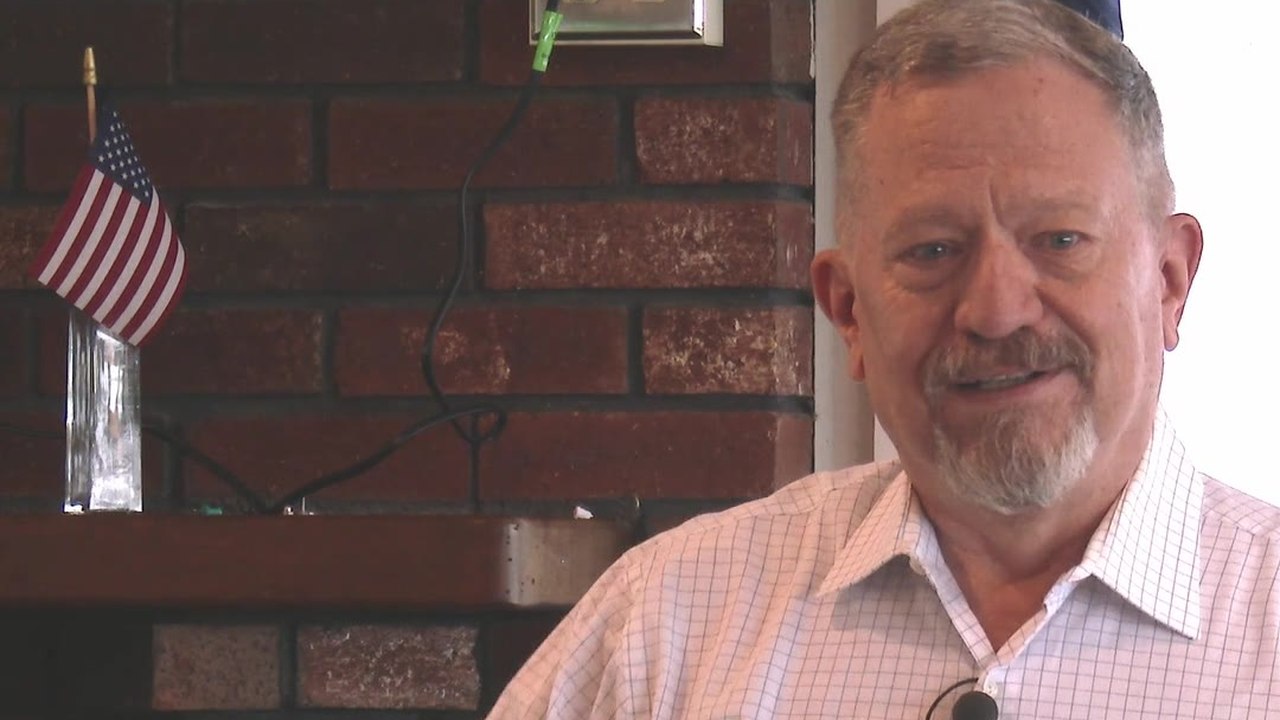 Speaker reel
Send your audience home with a real ROI — not a prediction. What AI actually costs, where the work really goes, and which projects they should turn down.
As heard on




Trusted by
Engagements across banking, aerospace, telecom, media, and government, including broadband LAN design for the US Navy.





















Marks are the property of their respective owners and are shown to identify past engagements. Their appearance is not an endorsement of Craig’s speaking.
For three years your members have been told AI removes work. The research says so. The business case on their desk says so.
Craig leads with that research — cited, in his first five minutes. But every one of those studies measured the same thing: the task that got faster. None followed the work that showed up somewhere else, in a different department, on a different budget line, weeks later.
Then he opens his own books and becomes the cautionary tale.
Craig’s own AI pipeline · cost per analysis cut 11×
He didn’t remove the work. He moved it, and then he lost sight of it — for months.
Three AI proposals, written for your industry. Members vote on their own devices: approve, reject, need more information.
Where the work would actually land — seven destinations, each in a different department from the one that bought the AI.
The numbers rarely hold. The results are yours to keep.
AI made the analysis cost almost nothing. It did not make the people who act on it cost nothing. Some of these projects your members should turn down. Almost nobody on a stage will say that.
The instrument that does it: The AI Work Map — seven places displaced work hides, absorbed silently, department by department, with no cost ever filed.
Verification
Rework
Data and security review
Policy and governance
Training
Monitoring and drift
Vendor management
What AI costs in verification, security, oversight, and liability — the column no vendor fills in, priced by someone who sells it for a living.
What to delegate, what to augment, what stays human — and whose name is on it when the system is confidently wrong.
Every attendee leaves with the map and the scorecard as a working file, not a PDF of the slides — ready to run against the proposal already on their desk.
Executives, boards, and owners. Not a technical audience.
Book Craig →
A production pipeline on his own money. His own invoice on screen — and his own missed review queue in it.
Baker Botts retained him for AT&T: a system he built was identified as prior art, he testified to it, and the asserted patents were invalidated.
Every week. No notes, no script. Q&A is where his sessions are strongest.
45–60 minute keynote
Slides, a screen, a way to vote
From$50,000
Plus a $2,000 flat travel fee covering all travel within the continental US. Craig travels from New Hampshire.
The AI Work Map — teams bring a real proposal from their own desk, trace it across the seven hiding places, and price it.
What to Turn Down — teams build the case against three live initiatives and practice saying no to one that doesn’t survive the arithmetic.
Craig owns a cybersecurity company that sells some of the oversight work this talk says goes uncounted. He says so on stage, in the first five minutes, and no part of the session is a product pitch — but you should know the interest exists before you book, not after.
“10 of 10 rating… outstanding.”
“Very good presentation. I listen to a lot, and this was one of the best.”
“Very practical information, with lots of references for follow-up.”
From the FBI InfraGard Private Sector Partnership program Craig ran as Training Moderator, 2016–2019 — 1,775 attendees across 17 sessions.
Tell us about your event.
Goes straight to Craig’s booking desk — scheduling, contracts, and AV.